Maria Cuenca-Cambronero
Exciting news!
First sampling campaign for biodiversity and physicochemical characteristics. Have a look!
Our project has been selected by the DIMFE Foundation!. We will officially start in July 2026
Challenges facing Mediterranean Ponds
Climate change and human pressures are driving rapid ecological change, threatening biodiversity and reducing the resilience of natural ecosystems. These challenges are particularly critical in Mediterranean regions, which are recognised as global biodiversity hotspots yet rank among the most vulnerable areas to environmental degradation. Increasing temperatures, changes in land use, and advancing desertification are placing growing pressure on Mediterranean landscapes, affecting both terrestrial and aquatic ecosystems. Among the most impacted habitats are small freshwater systems such as ponds, whose ecological balance depends strongly on the conditions of their surrounding landscape. Despite their small size, ponds are disproportionately important for biodiversity, hosting a wide range of aquatic and terrestrial species and providing essential ecosystem services such as water supply for livestock, flood mitigation, nutrient cycling, and natural heritage value. Despite the ecological importance, Mediterranean ponds are increasingly degraded. Many are affected by unsustainable livestock pressure, which causes sediment resuspension, nutrient enrichment, water contamination, and habitat destruction through shoreline trampling. Conversely, a total absence of grazing can also be detrimental, leading to the proliferation of emergent vegetation, infilling by organic matter, and progressive terrestrialisation of ponds.
To address these threats, we propose the ecological restoration of eight Mediterranean ponds located in the Serra Cavallera Natural Protected Area (Catalonia, NE Spain). These ponds currently suffer from a combination of overgrazing, sediment accumulation and vegetation overgrowth. Restoration actions will include sediment removal, reshaping of basins, vegetation management, and improved regulation of cattle access. To ensure effective implementation and long-term sustainability, the close collaboration with landowners, local stakeholders, and environmental authorities will be critical. Ultimately, we aim to enhance the ecological resilience of Mediterranean pond networks, improve biodiversity conservation, and promote sustainable land use practices. In doing so, we will support both nature conservation goals and the socio-economic interests of local pastoral communities, while providing a replicable model for freshwater habitat restoration across Mediterranean regions.
Study Area
The ponds are located within the Natural Protected Area of Serra Cavallera (see the map). This location benefits from the monitoring and management support provided by the Consortium of the Natural Park, which is primarily overseen by the Catalan Government. However, part of the surrounding land is under private ownership and management by local farmers, creating a mosaic of public and private stewardship.
Due to its geographic location and the high abundance of natural ponds and water sources, the area has historically been used by farmers for free-ranging cattle grazing. However, in recent decades, the intensification of livestock activity and the increase in cattle numbers have led to significant environmental degradation, including the loss and deterioration of many ponds. These changes have compromised the ecological integrity of the area, reducing habitat quality and biodiversity associated with Mediterranean pond ecosystems.
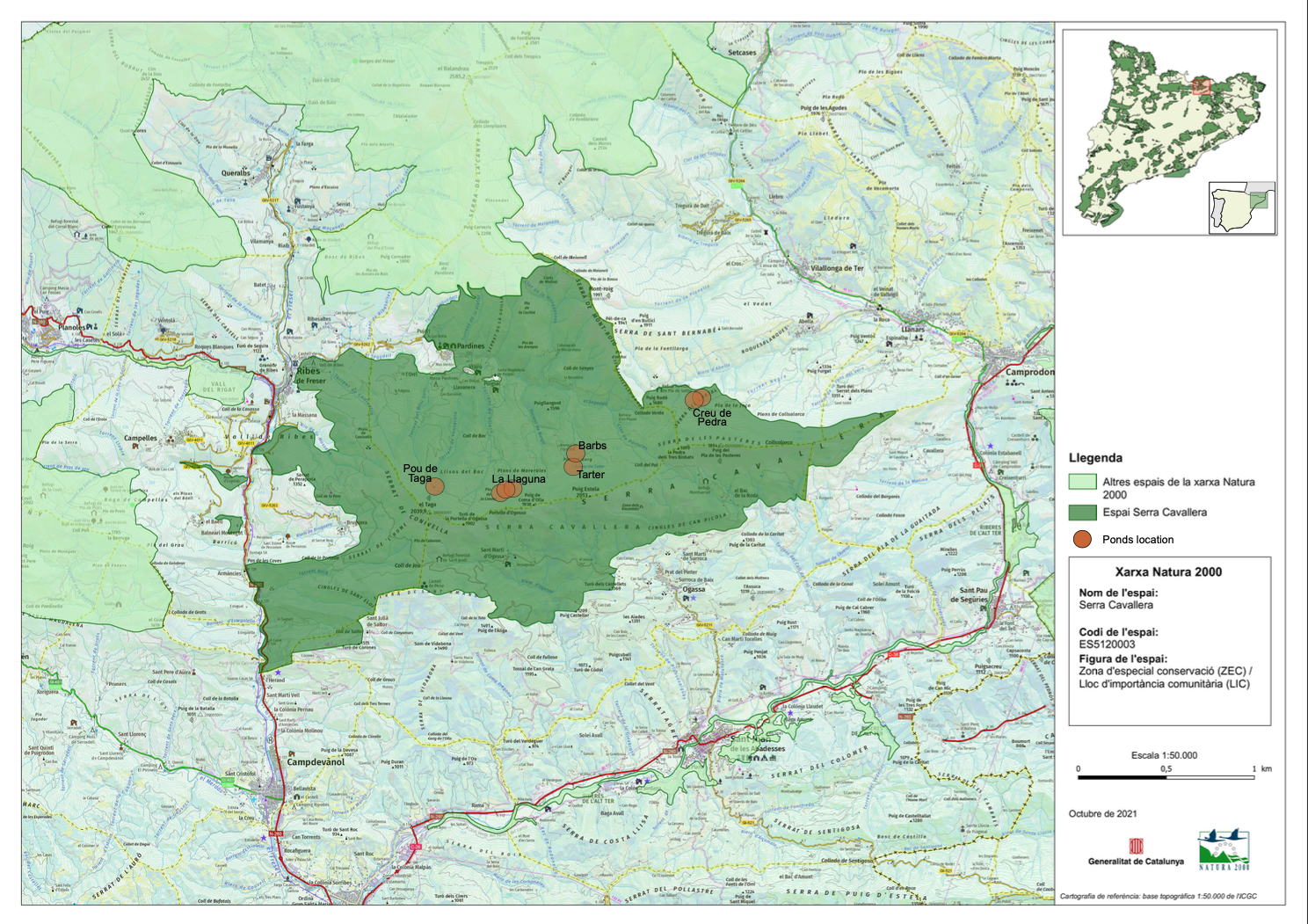
Pond-by-Pond solutions
| NAME | DESCRIPTION | PHOTO |
|---|---|---|
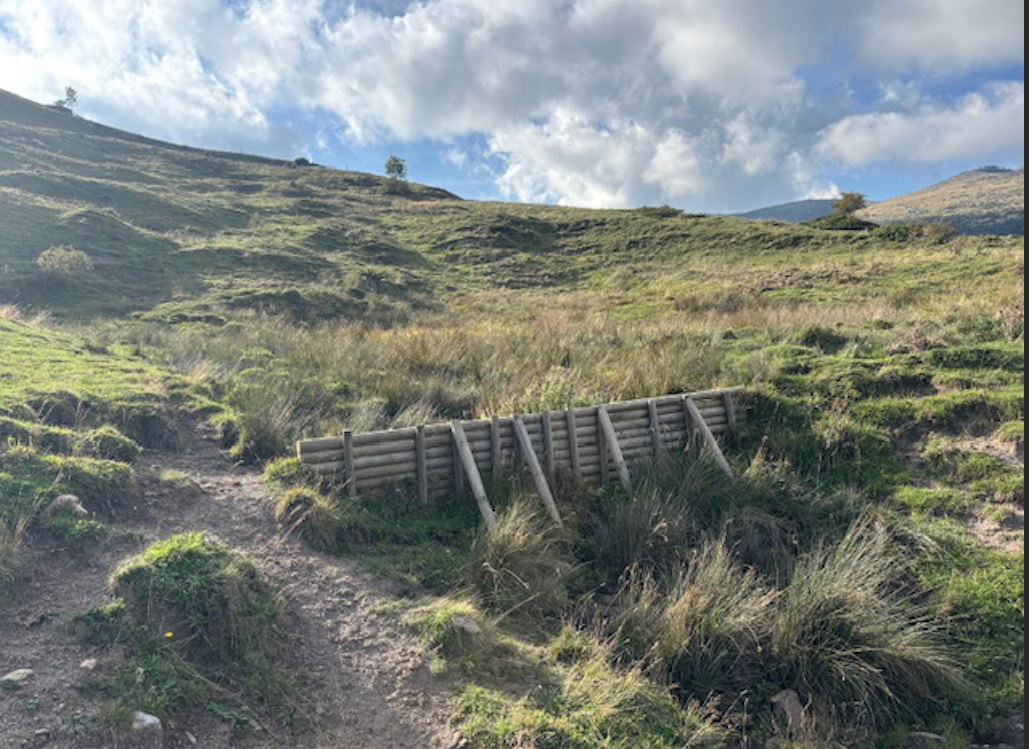
| Creu de Pedra I | This pond is currently covered by excessive terrestrial vegetation, and a small wooden wall previously installed for water retention has proven ineffective. Restoration actions will involve the removal of approximately 100 m³ of accumulated sediment and terrestrial vegetation. The existing wooden barrier will be improved or replaced with a small concrete wall designed to retain water while allowing limited outflow. An electric fence powered by a solar panel will be installed to regulate the fence. Livestock access will be allowed twice per year, in spring and summer, where water is more limited. In addition to ensuring livestock access to water without impacting the pond, an adjacent drinking trough will be installed. This structure will be set on a stable concrete base and integrated into the surrounding landscape using local materials. |
 |
| Creu de Pedra II | This pond is also covered by terrestrial vegetation. Restoration activities will include the removal of approximately 200 m³ of sediment and vegetation to restore pond depth and open water surface. An electric fence will be installed to prevent excessive livestock intrusion, with a gated access allowing controlled grazing for one week during spring and summer, ensuring vegetation control without causing habitat degradation. | 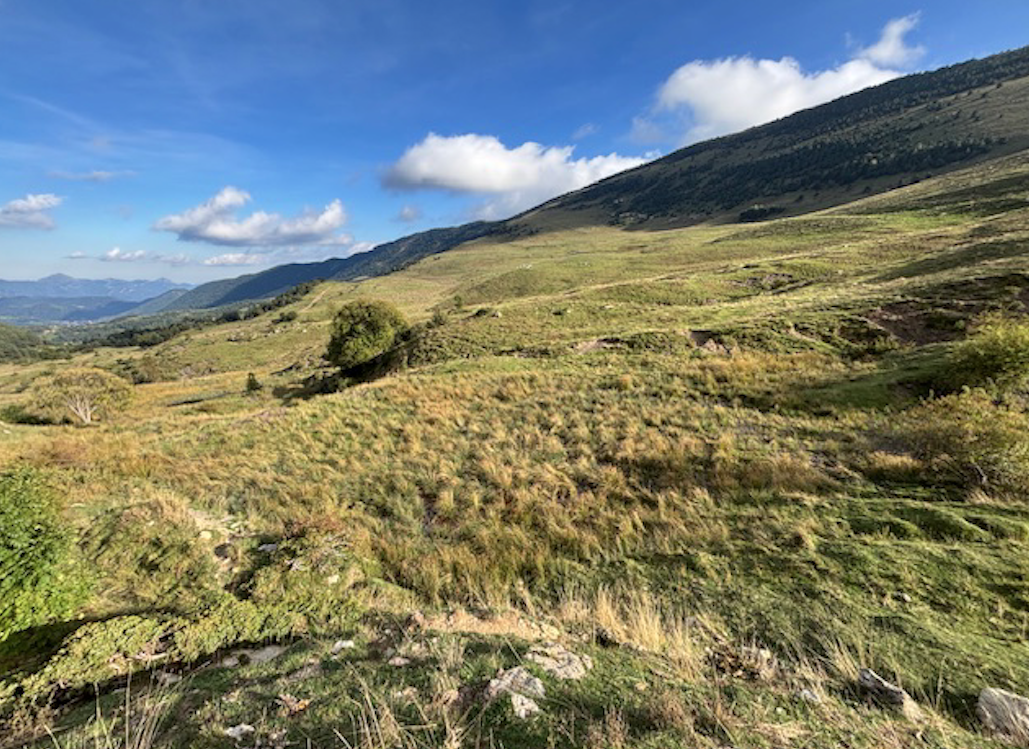 |
| Tarter |
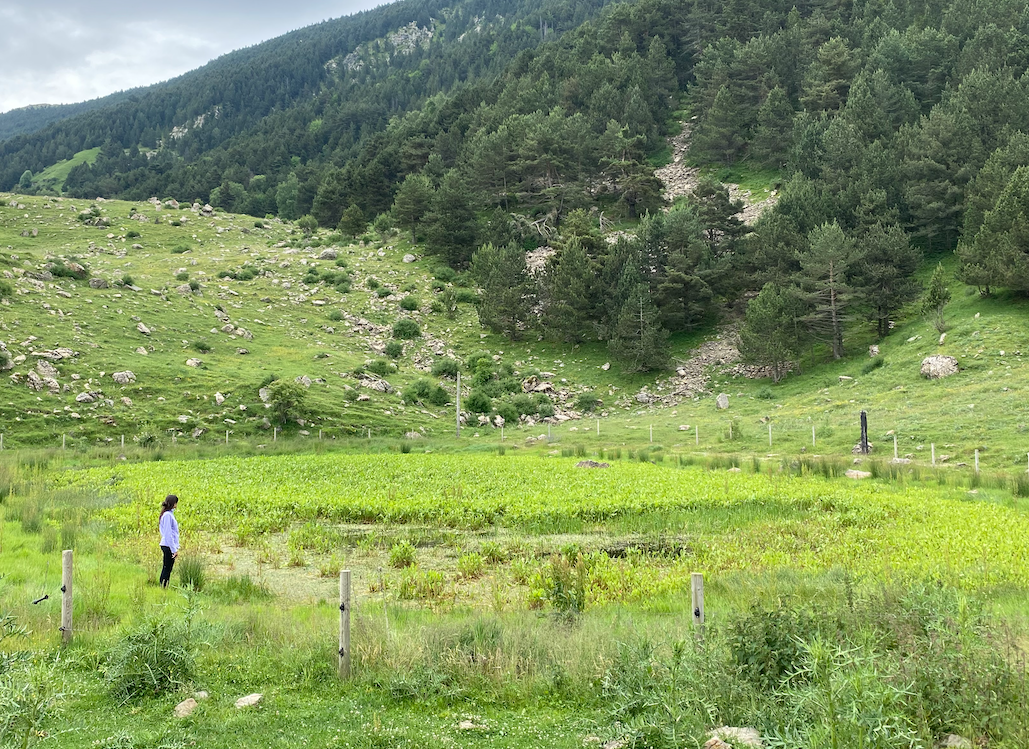
The restoration actions proposed for the Tarter Pond will focus on recovering its ecological function and improving habitat quality for aquatic biodiversity. Historically, the Tarter Pond served as a permanent freshwater body of high biological interest, hosting species such as Potamogeton natans, a macrophyte considered rare in Catalonia. However, following an earthquake in the early 2000s, a subsurface fissure likely formed in the bedrock, causing significant water loss and converting the pond from permanent to temporary. Since then, the site has experienced progressive desiccation, sediment accumulation, and degradation caused by unrestricted livestock access during the summer grazing period. Planned Actions will focus on the excavation and reshaping of the basin. Approximately 500 m³ of accumulated sediment will be removed to restore the pond’s original depth and enhance water retention capacity. Excavation will be conducted using light machinery to minimise disturbance to surrounding vegetation. Additionally, control of livestock access will be performed through an electric fence. This measure will prevent trampling and eutrophication while allowing occasional controlled grazing to maintain vegetation balance.
|
 |
| Barbs | The Barbs is currently dominated by Typha latifolia, whose annual senescence caused excessive organic matter accumulation, resulting in anoxic conditions and poor habitat quality. Restoration measures will include the mechanical removal of excess Typha and organic sediment from the pond bottom to re-establish open-water zones and oxygenated conditions. The existing wooden fence will be replaced with a solar-powered electric fence, including a controlled-access gate to allow limited cattle entry for short periods to manage vegetation growth. | 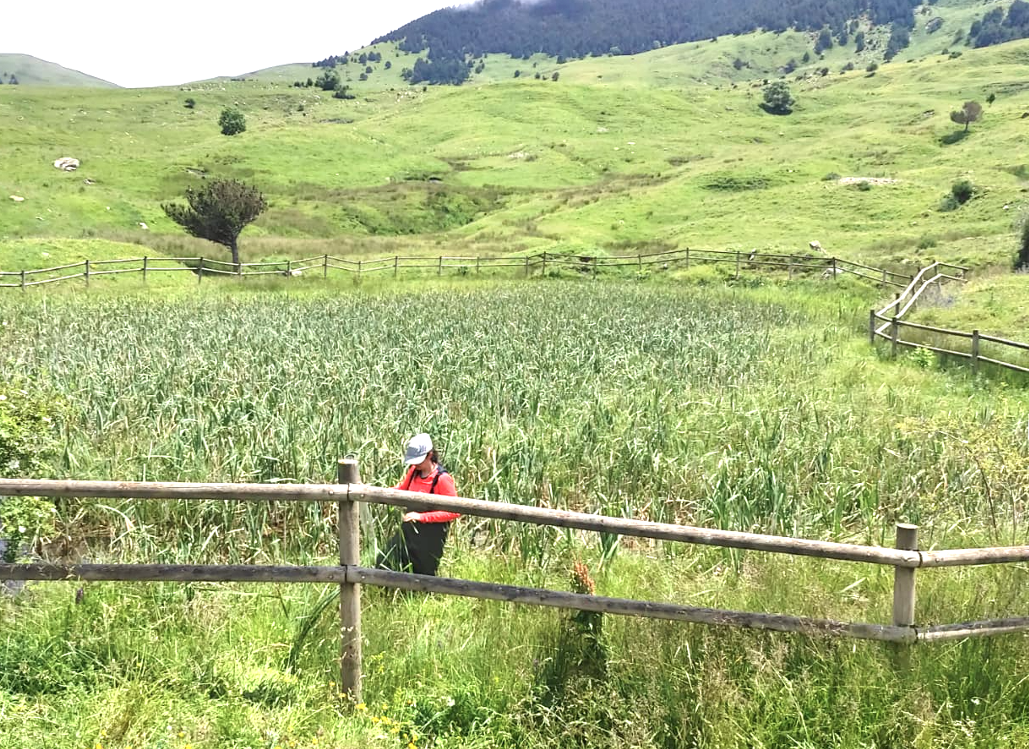 |
| La Llaguna | This site consists of three small ponds that have been significantly degraded due to excessive sediment accumulation and intensive cattle use. Restoration efforts will focus on increasing pond depth through the removal of accumulated sediments and invasive vegetation. To promote the recovery of native aquatic and riparian vegetation, sediment containing a natural seed bank, extracted from other restored ponds, will be strategically deposited around the buffer zones of the ponds. Additionally, partial electric fencing will be installed to regulate livestock access which will limit overgrazing and trampling pressure while still allowing controlled, periodic grazing to maintain vegetation structure and ecological balance. | 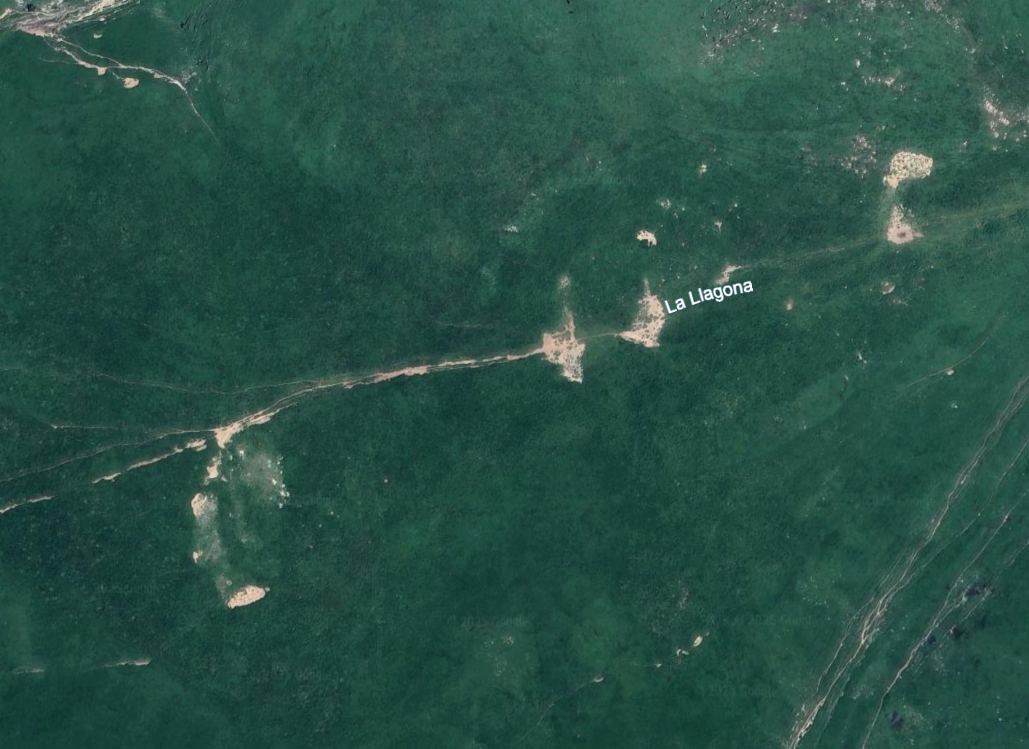 |
| Pou del Taga | Originally constructed as an artificial drinking point for livestock, this pond will be naturalised to support greater ecological function. Restoration will involve increasing native aquatic vegetation, creating shallow zones and refuge habitats for amphibians and invertebrates, and improving water retention to maintain a semi-permanent hydrological regime. | 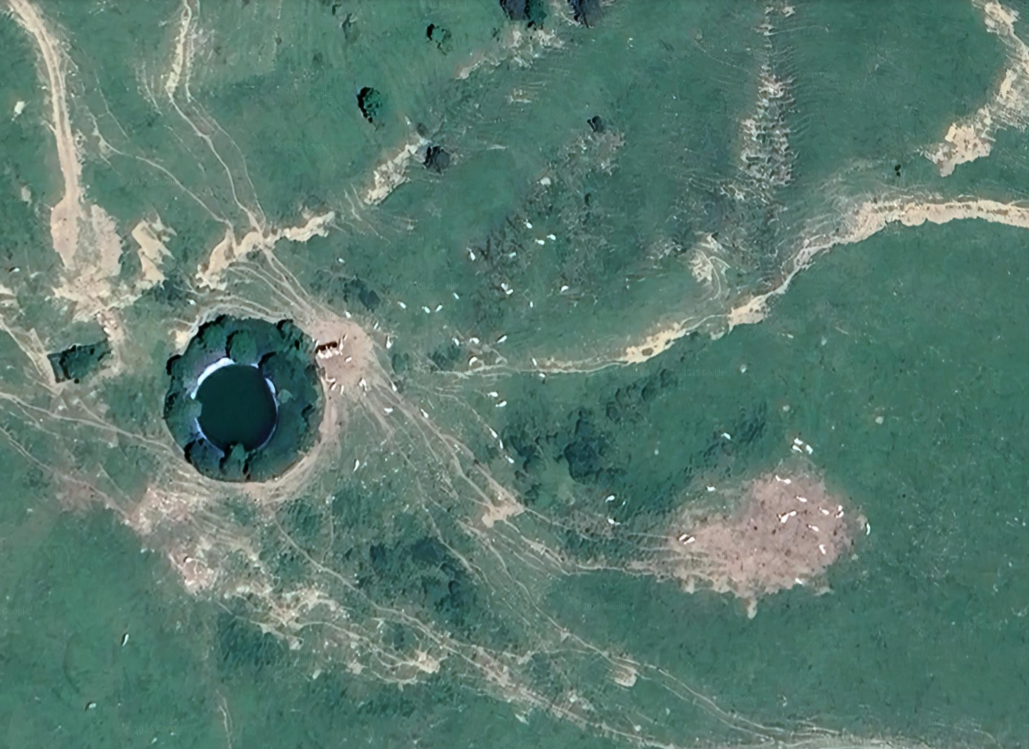 |
Long-Term Monitoring
Project extensions are foreseen through ongoing collaboration between UVic-UCC and Bionexus, which will provide post-restoration monitoring to evaluate the persistence of biodiversity and water quality improvements over time, specifically in two of the ponds, the Tarter and Barbs, which have already been monitored before the start of this project.
Additionally, the restored ponds are located within the Natural Protected Area of Serra Cavallera, ensuring long-term maintenance and protection by park technicians and the Department of Territory and Sustainability of the Catalan Government. The engagement of landowners and local farmers will be crucial during and after restoration, fostering a sense of ownership and encouraging proper management of cattle access to prevent degradation.
Turning plans into action
The participation of the DIMFE Foundation will be essential to ensure the successful implementation of this project. As the primary funding organisation, DIMFE will provide the financial resources needed to carry out restoration activities, fieldwork campaigns, biodiversity monitoring, equipment acquisition, stakeholder collaboration, and dissemination of results.
If selected for funding, the project is scheduled to begin in April 2026, with a total duration of 16 months. We will provide periodic progress reports and increase visibility of the DIMFE Foundation by disseminating events to raise public awareness about the ecological importance of Mediterranean pond restoration, and to highlight the key role of the DIMFE Foundation in supporting conservation initiatives. The restoration proyect here presented will also reinforce the strategic value of DIMFE Foundation, aligning with its commitment to biodiversity conservation, ecological restoration, and sustainable land management.
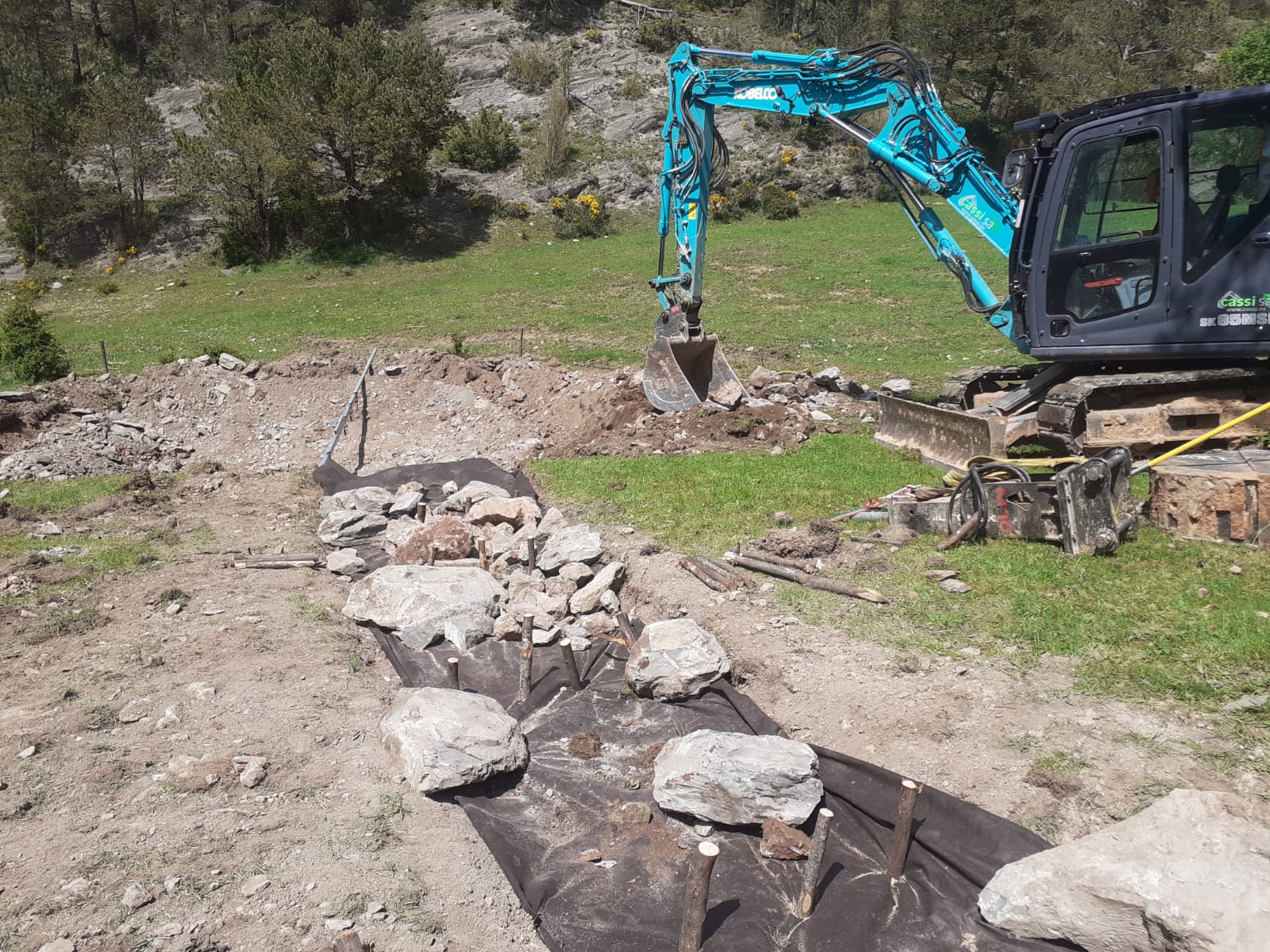
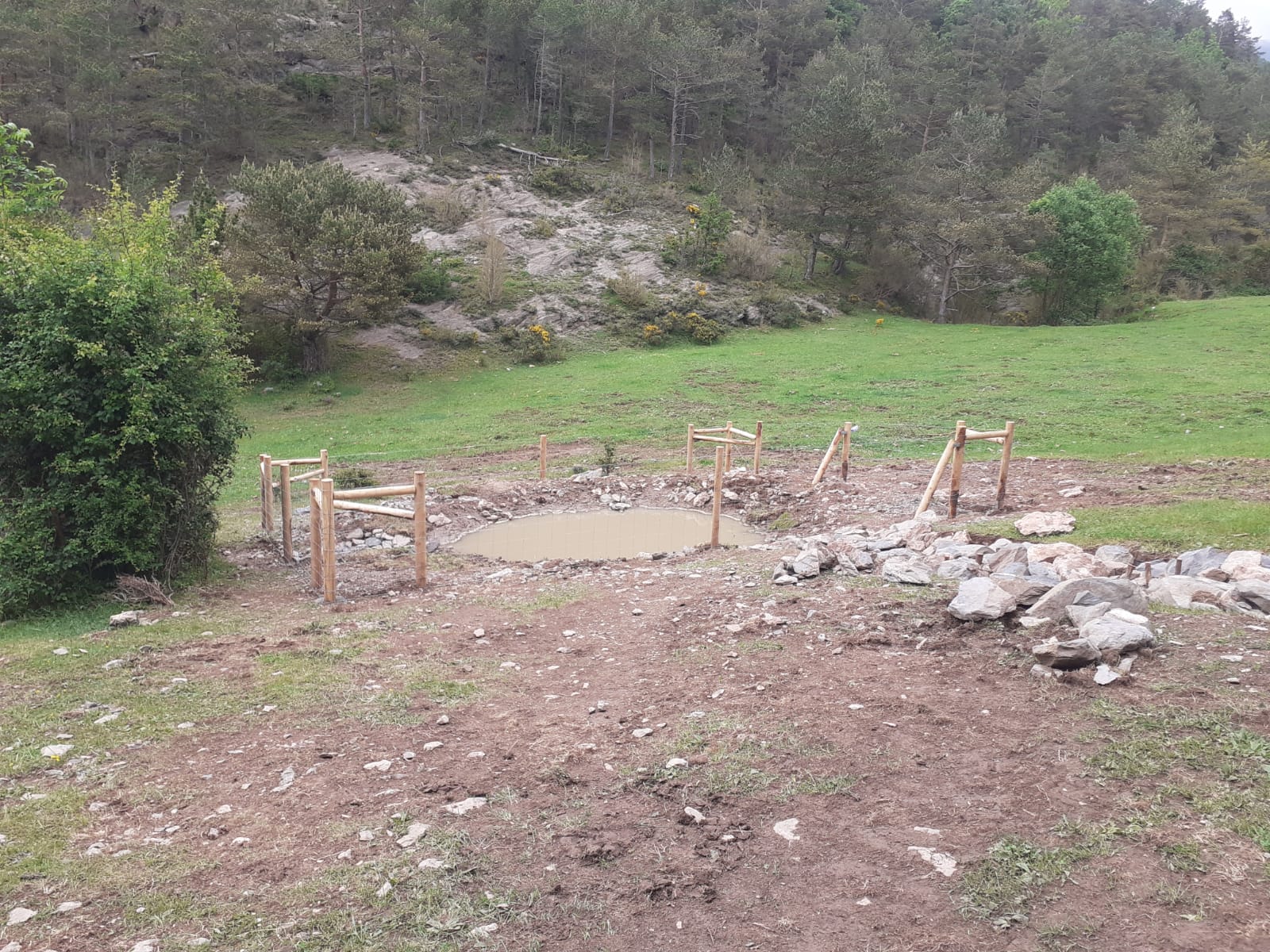
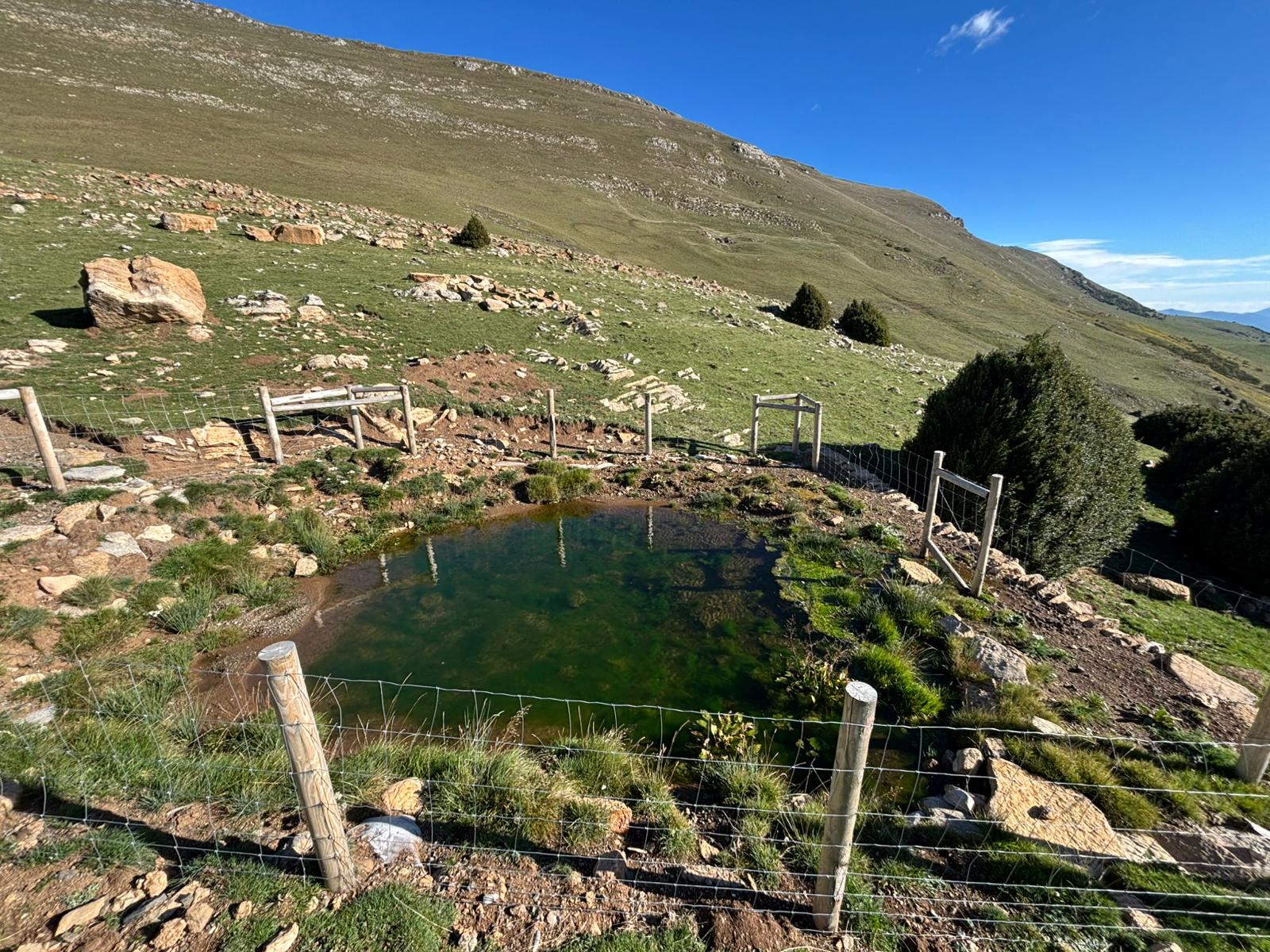
Some examples of Mediterranean ponds restoration in the area. The third picture showed the effect of restoration after one year. We can see a growth of vegetation and new habitats on the restored pond (Photos credit by Oriol Baena).